Crawl Space Moisture in Athens, GA: Why Georgia's Red Clay Soil Is the Real Problem
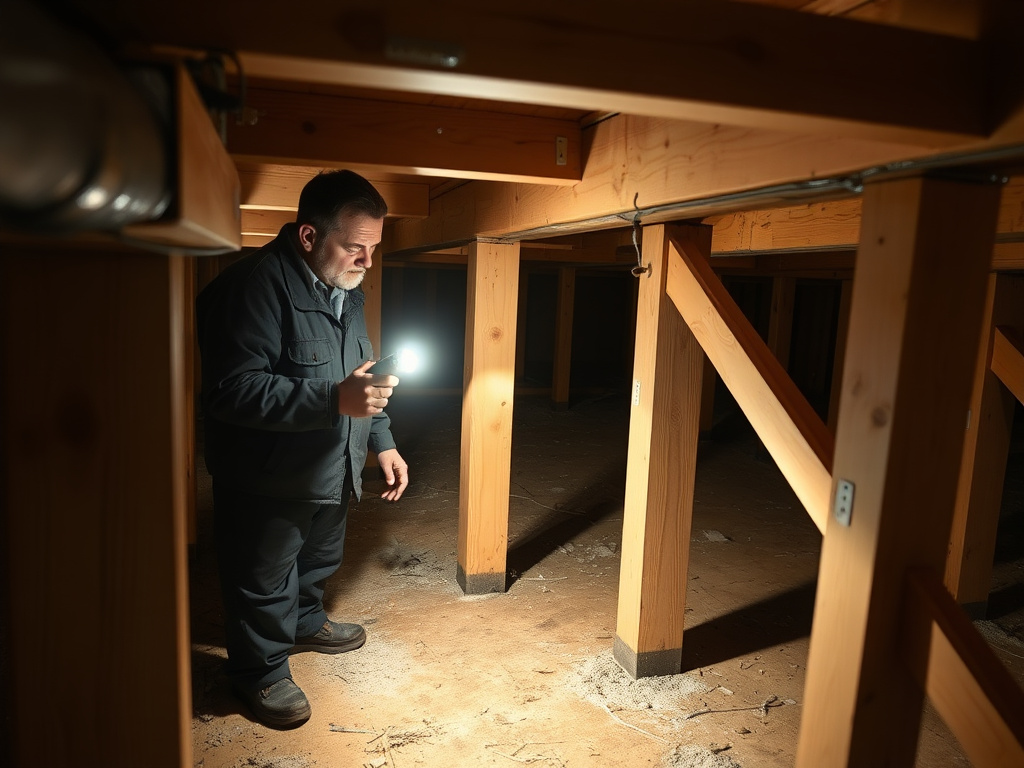
If you've noticed a musty smell in your Athens-area home, especially near the floor, or you've climbed under the house and seen dark staining on the joists, you're looking at one of the most common — and most consistently misunderstood — problems in older Georgia homes: an unencapsulated crawl space fighting a losing battle against the ground underneath it.
This isn't a defect specific to your house. It's a combination of three genuinely regional factors: how common crawl space foundations are in Athens' older housing stock, how poorly Georgia's red clay soil drains, and how humid the local climate is for most of the year. Understanding why the problem happens is the first step to actually fixing it, instead of just masking the smell.
Why so many Athens homes have crawl spaces in the first place
Homes built before roughly the 1980s across the broader Athens and northeast Georgia region commonly sit on crawl space foundations rather than slabs — a pattern seen across comparable Georgia cities with a mix of historic in-town neighborhoods and older subdivisions. Athens, as a university town with a substantial older housing stock, fits that pattern closely. Concrete block crawl space walls are the most common type historically, with some older or historic homes built on stone or brick piers.
The red clay soil problem
Georgia's red clay soil is notoriously poor at draining. Instead of water passing through it quickly after rain, clay holds moisture and releases it slowly and continuously — including upward, into whatever sits above it. An unencapsulated crawl space with exposed dirt flooring has essentially no barrier against that moisture, which means it's absorbing groundwater vapor on a near-constant basis, not just during or after storms.
What that moisture actually does over time
- Musty, earthy odors that drift up into the living space through floor penetrations
- Condensation on cooler surfaces like ductwork and water lines running through the crawl space
- Wood rot and structural softening in floor joists and subfloor over years of exposure
- Mold growth on wood surfaces, insulation, and stored items
- Elevated indoor humidity that makes the whole house feel harder to keep comfortable
Why fiberglass batts make it worse, not better
A lot of older crawl spaces were originally insulated with fiberglass batts stapled between the floor joists. In a consistently humid crawl space, batts absorb moisture, sag away from the joists, lose most of their insulating value once wet, and can become a growth surface for mold themselves. At that point the insulation isn't just underperforming — it's actively part of the moisture problem.
The fix: encapsulation, not just insulation
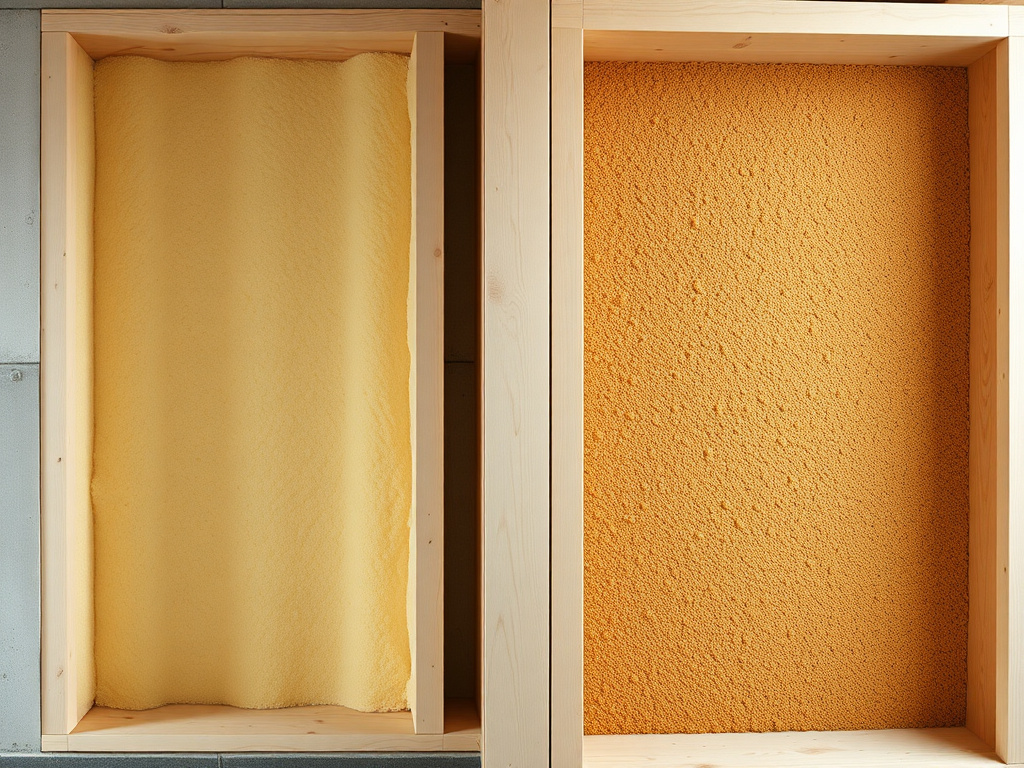
Proper crawl space encapsulation addresses the ground, the walls, and the air together: a sealed vapor barrier across the crawl space floor, closed-cell spray foam on the foundation walls and rim joist (which resists moisture rather than absorbing it), and sealing or converting the crawl space vents to bring the space inside the home's semi-conditioned envelope. This stops the red clay moisture at the source instead of trying to insulate around a problem that keeps getting worse.
If your crawl space already has visible mold or wood damage, that typically needs to be addressed before or alongside encapsulation — we're upfront about that during every assessment rather than quoting encapsulation over an active problem.
Frequently asked questions
It's genuinely widespread across older homes in Athens and the broader northeast Georgia region — the combination of common crawl space construction, poorly-draining red clay soil, and a humid climate affects a large share of the older housing stock here, not just isolated cases.
A crawl space dehumidifier can help manage humidity levels, but it's treating a symptom rather than the source if the vapor barrier and air sealing aren't in place first — moisture will keep entering the space continuously from the soil and outside air. Encapsulation addresses the source; a dehumidifier is sometimes used as an additional layer on top of it, not a replacement for it.
Ready for a free quote?
Tell us about your home and we'll build a clear, no-pressure quote.