Open-Cell vs. Closed-Cell Spray Foam: What Actually Matters in Athens' Climate
Almost every homeowner researching spray foam insulation runs into the same question: open-cell or closed-cell? The honest answer is usually "both, in different places" — and in Athens' warm-humid IECC Zone 3A climate, where you use each one matters more than it would in a drier market.
The core differences
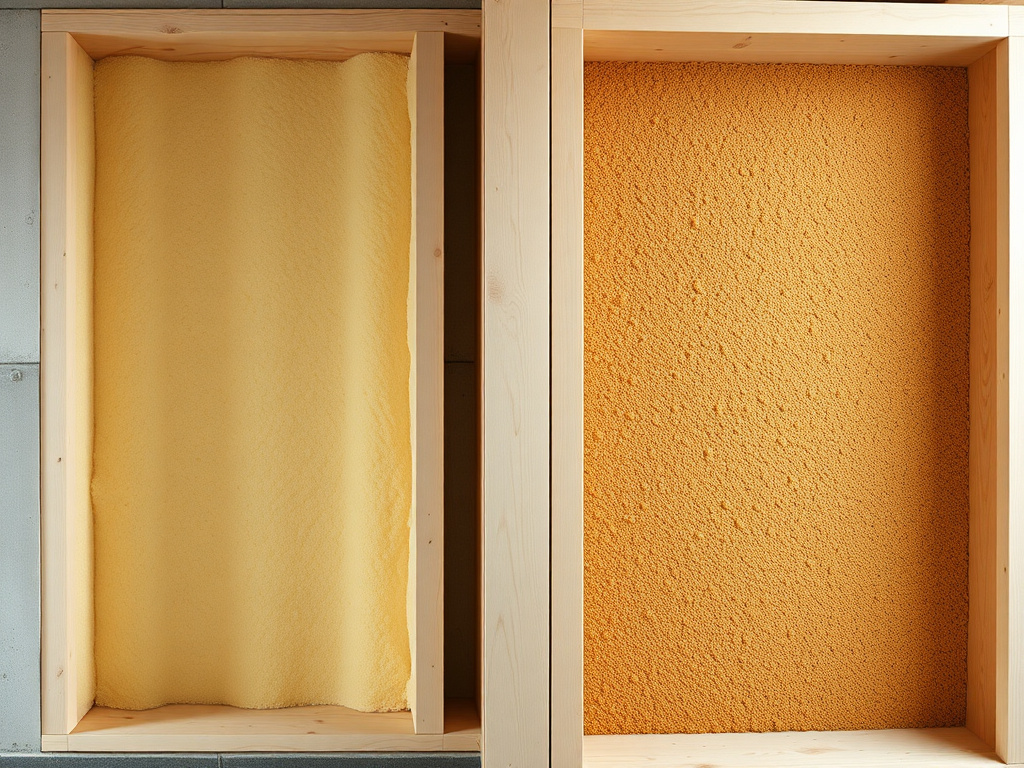
- Open-cell: lighter density, roughly $0.40-$1.60 per board foot, lower R-value per inch, vapor-open, more affordable for large coverage areas
- Closed-cell: denser, roughly $1.00-$3.10 per board foot, higher R-value per inch (about R-6 to R-7), genuinely moisture-resistant, adds structural rigidity
Neither material is universally "better" — they're suited to different conditions. The mistake we see most often isn't choosing the wrong material outright, it's using the same material everywhere regardless of what each specific area of the house needs.
Why Athens' humidity changes the calculus
In a hot-dry desert market, a contractor can often use open-cell foam in most locations without much downside, because sustained moisture exposure simply isn't a major factor. Athens sits in IECC Zone 3A, where the "A" specifically denotes a humid (not dry) climate, with roughly 49 inches of rain a year spread fairly evenly across the seasons and Georgia's poorly-draining red clay soil pushing moisture upward into crawl spaces year-round. That changes where closed-cell's moisture resistance genuinely earns its higher price.
Area-by-area recommendations
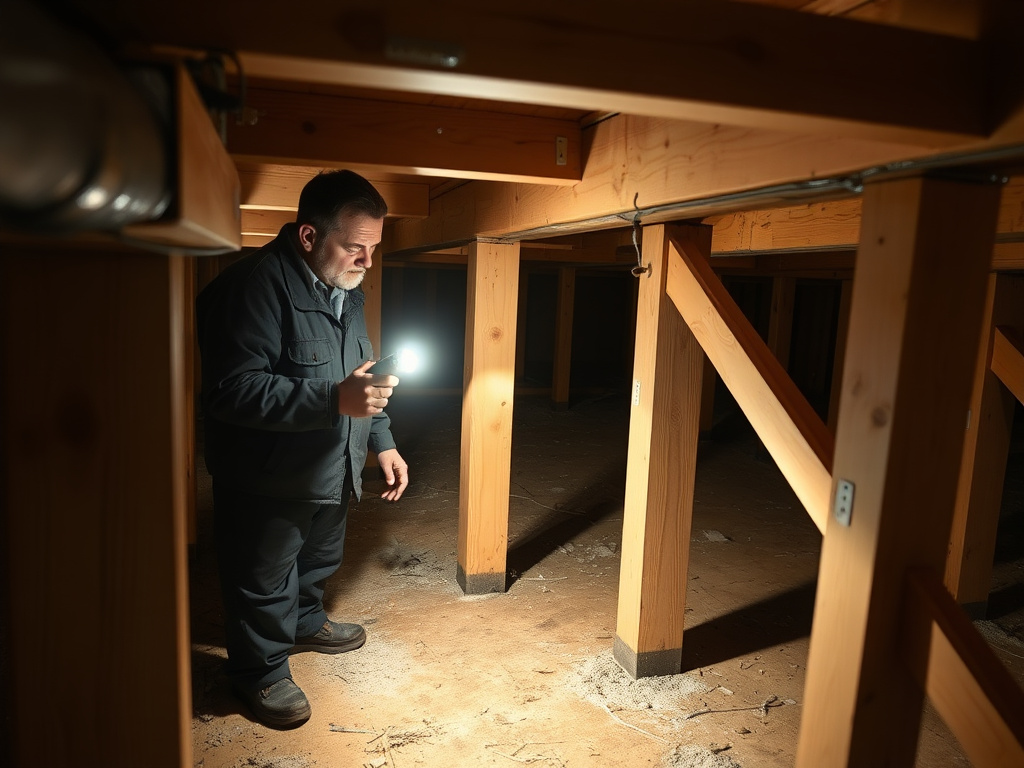
Crawl spaces & rim joists: closed-cell
These are the areas most directly exposed to soil moisture and humid outside air. Closed-cell's resistance to water absorption and its role as an effective air and, at sufficient thickness, vapor barrier make it the clear choice here — open-cell would absorb and hold moisture in exactly the location where that's most damaging.
Roof decks: usually closed-cell
Roof-deck (unvented attic) application benefits from closed-cell's higher R-value per inch and moisture resistance, since the roof deck is a moisture-exposed surface and the space is often tight, where R-value per inch matters more.
Interior walls & vented attic floors: usually open-cell
Without sustained moisture exposure, open-cell's air-sealing and cost-effectiveness make it the practical choice for the majority of a home's interior wall and vented-attic-floor square footage.
New construction: a planned mix
New builds are the ideal time to specify the right material by area from the start — closed-cell at the rim joist, foundation, and roof deck, open-cell in standard wall cavities — rather than defaulting to one material for the whole envelope.
The bottom line
If a quote uses the same foam type for your entire house regardless of area, that's worth a second look. A properly scoped Athens-area project usually mixes both materials, matched to where genuine moisture exposure is a factor and where it isn't — and a good contractor will explain that reasoning, not just hand you a single line-item price.
Frequently asked questions
Yes — this is actually standard practice for a well-scoped whole-home project. We commonly recommend closed-cell for crawl spaces, rim joists, and roof decks, and open-cell for interior walls and vented attic floors, all on the same job.
Not necessarily. For interior walls without moisture exposure, open-cell delivers the air-sealing benefit that actually drives most of the comfort and energy improvement, at a lower cost — paying the closed-cell premium there isn't usually worth it.
Ready for a free quote?
Tell us about your home and we'll build a clear, no-pressure quote.